

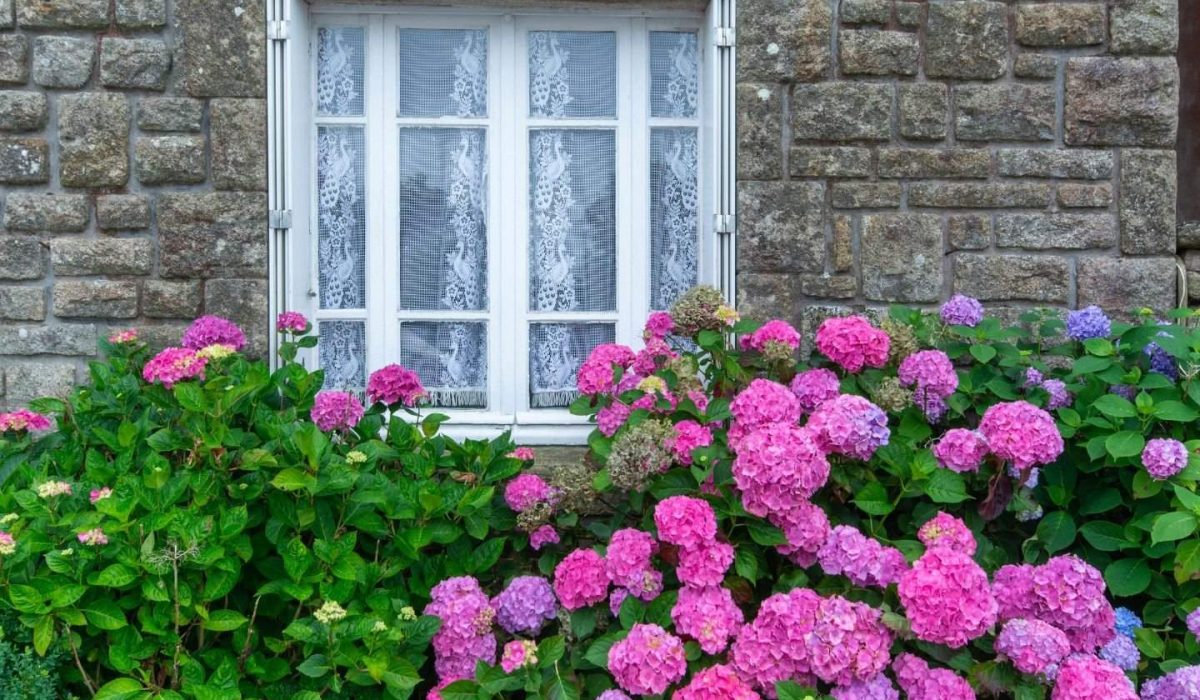
Ornamental shrubs do more than fill empty spaces in a landscape. Positioned around windows, entryways, and garden features, they frame architectural details, guide movement, and connect a home with its surrounding garden. However, the difference between an attractive planting and an overgrown one often comes down to proportion, timing, and a thoughtful approach to pruning. Using a shrub trimmer appropriately can help maintain clean outlines while preserving the natural character of suitable shrubs.
The goal is not to make every plant perfectly symmetrical. It is to create shapes that complement the property, allow plants to thrive, and remain manageable as the growing season progresses. Understanding how shrubs interact with nearby structures is the first step toward achieving that balance.
1. Start by Matching Shrub Shape to the Architecture
Before trimming, consider the lines and proportions of the building. A traditional home with symmetrical windows may benefit from rounded shrubs or carefully maintained rectangular forms. Contemporary architecture, with its strong horizontal and vertical lines, can accommodate more defined geometric shapes.
Plant selection matters just as much as trimming technique. Boxwood, Japanese holly, and certain compact evergreen varieties tolerate regular shaping, while many flowering shrubs look better with a looser outline.
A useful starting point is to evaluate each shrub from several viewpoints:
- From the street, check whether the planting complements the building's overall proportions.
- From inside the house, determine whether branches obstruct daylight or views.
- From nearby walkways, look for branches that interfere with movement or create uncomfortable clearances.
These observations help establish the intended shape before any foliage is removed.
2. Shape Shrubs Around Windows Without Blocking Light or Views
Window plantings require a balance between visual framing and practical clearance. Shrubs that are too tall can reduce natural light, obscure attractive views, and make routine window cleaning difficult.
Begin by identifying the window's lower edge and deciding how much of the surrounding wall should remain visible. A low, rounded shrub often works well beneath a broad window, while taller, narrower plants may suit the sides of a large picture window.
A practical rule is to maintain enough clearance for light, airflow, window access, and the shrub's expected mature size. The appropriate distance varies with the species, climate, and building design.
When trimming established shrubs, work gradually. Remove individual branches that extend into the glass or interfere with the window frame before refining the outer silhouette. Avoid cutting everything to a uniform height simply because the window creates a straight horizontal reference.
Also consider seasonal growth. A shrub that sits comfortably below a window in early spring may produce several inches of new growth by midsummer, depending on its species and growing conditions. Leave room for that expansion instead of trimming to the exact boundary every time.
3. Create an Inviting Entryway With Controlled, Balanced Plantings
The front entrance is one of the most visually important areas of a property. Shrubs beside a doorway can create a welcoming frame, but excessive height or width may make the entrance feel cramped.
For symmetrical entrances, similar plants on either side can establish a formal appearance. Informal landscapes can achieve the same sense of balance with different shrubs that share a comparable visual weight.
When shaping entrance plantings, prioritize three considerations:
- Door clearance: Keep branches away from doors, handles, steps, and handrails.
- Path visibility: Maintain an unobstructed view of approaching visitors and changes in elevation.
- Visual proportion: Keep the planting scale appropriate to the doorway rather than allowing shrubs to dominate it.
A common mistake is trimming the front face of a shrub into a flat wall while leaving its sides bulky. This can make a narrow entrance appear even tighter. Instead, remove excessive side growth and refine the top gradually, maintaining a shape that complements the available space.
For frequently used entrances, inspect the plants every few weeks during active growth. Small adjustments are generally easier on the plant and take less time than correcting substantial overgrowth later.
4. Use a Shrub Trimmer to Maintain Clean Lines Around Garden Features
Garden arches, birdbaths, fountains, decorative stones, and ornamental benches can all benefit from carefully shaped surrounding shrubs. The key is to establish a clear relationship between the plant and the feature.
For example, rounded shrubs can soften the hard edges of a stone fountain, while upright evergreens can reinforce the vertical lines of a garden arch. Low edging plants may help define a seating area without obstructing the view across the garden.
A shrub trimmer is useful for refining the outer surface of suitable hedging plants and maintaining consistent contours across multiple shrubs. Choose the tool according to the plant's size, branch thickness, accessibility, and the manufacturer's cutting-capacity guidance.
Use hand pruners for isolated branches, crowded interior growth, and precise cuts near decorative structures. A powered trimmer is generally better suited to maintaining the overall surface of plants that respond well to shearing.
This distinction matters because repeated surface trimming can create a dense outer layer of foliage while leaving the interior shaded and bare. Periodically inspect the plant's structure and remove selected branches where appropriate to preserve healthy growth.
5. Choose Between Formal Geometry and a Naturalistic Shape
Not every shrub should be maintained as a box or sphere. The right shape depends on the species, its growth habit, and the visual effect you want to achieve.
|
Shaping approach |
Best suited to |
Main consideration |
|
Geometric or formal |
Compact, dense shrubs that tolerate regular shearing |
Requires frequent maintenance |
|
Rounded or softly contoured |
Foundation plantings and informal entryways |
Needs periodic correction to prevent excessive width |
|
Naturalistic or selective pruning |
Flowering shrubs and plants with distinctive branching |
Requires attention to individual stems |
|
Low, spreading form |
Borders, pathways, and garden features |
Must remain clear of walking surfaces |
For example, a compact evergreen may respond well to a defined outline, whereas a lilac may flower poorly if its developing flower buds are repeatedly removed through indiscriminate shearing.
The important decision is whether the plant's natural growth habit supports the desired shape. If it does not, selective pruning or a different planting choice may produce a better long-term result.
6. Follow a Practical Sequence for Shaping Shrubs Safely
A consistent process helps prevent overcutting and reduces the need for corrective work.
- Inspect the plant. Identify dead, damaged, crossing, or diseased branches and determine whether the shrub needs selective pruning before surface shaping.
- Define the finished outline. Consider the building, nearby paths, windows, and the plant's expected mature dimensions.
- Remove problematic growth. Use appropriate hand tools for individual branches, following the species' pruning requirements.
- Trim gradually. Work in light passes, stepping back frequently to assess the shape from different angles.
- Check the interior. Make sure surface trimming has not concealed structural problems or created an excessively dense outer layer.
- Clean the work area. Remove clippings from paths and hard surfaces, and inspect the plant for accidental damage.
Wear appropriate eye protection, gloves, sturdy footwear, and any additional protective equipment required by the tool manufacturer. Before trimming near windows, fences, or decorative fixtures, check for hidden wires, irrigation lines, and other obstructions.
For broader guidance on plant health and pruning practices, consult the University of Minnesota Extension's pruning resources.
7. Avoid Common Mistakes That Make Ornamental Shrubs Harder to Maintain
One of the most frequent mistakes is trimming a shrub too aggressively to achieve an immediate visual result. Removing excessive foliage can expose bare branches, disrupt the plant's natural form, and reduce flowering when buds are cut off at the wrong time.
Another problem is creating a flat-topped, vertical-sided hedge around every landscape feature. Many shrubs retain more foliage when their lower portions receive adequate light. Where a formal shape is appropriate, a slightly wider base than top can help sunlight reach lower growth.
Timing is equally important. Spring-flowering shrubs generally benefit from pruning after flowering, while many summer-flowering shrubs can be pruned during late winter or early spring, depending on the species. These are general guidelines, not universal rules; local climate and plant-specific requirements should determine the final schedule.
Avoid trimming during extreme heat or drought stress when possible. In addition, do not assume that frequent shearing eliminates the need for proper plant selection, spacing, watering, and occasional structural pruning.
8. Frequently Asked Questions About Shaping Ornamental Shrubs
How often should ornamental shrubs be trimmed?
The frequency depends on the species, growth rate, climate, and desired appearance. Fast-growing formal hedges may need several light trims during the growing season, while naturally shaped shrubs may require only occasional selective pruning.
Can a shrub trimmer be used around windows and doorways?
Yes, provided the plant is suitable for shearing and the tool can be operated safely in the available space. Use hand pruners for precise cuts near frames, glass, and individual structural branches.
When is the best time to shape flowering shrubs?
It depends on when the shrub forms its flower buds. Many spring-flowering species should be pruned after flowering, while some summer-flowering varieties tolerate pruning in late winter or early spring. Check species-specific recommendations before cutting.
How can I prevent shrubs from becoming too large for their location?
Choose plants based on mature dimensions, maintain appropriate spacing, and remove unwanted growth before it becomes extensive. Repeatedly cutting a naturally large shrub into a much smaller shape may lead to poor structure and increased maintenance.
Make Every Planting Work With Its Surroundings
Well-shaped ornamental shrubs should make windows brighter, entrances more welcoming, and garden features easier to appreciate. Achieving that result requires more than neat cutting lines. It involves understanding plant growth, respecting flowering cycles, and matching each shrub's form to the space it occupies.
With deliberate planning, suitable tools, and regular light maintenance, homeowners can preserve an attractive landscape without forcing every plant into the same shape. The best results come when careful trimming supports both the design of the property and the long-term health of the plants.