
Introduction
Getting a tattoo removed is a significant decision that requires careful consideration of both safety and effectiveness. Whether you’re looking to erase a regrettable design, clear space for new artwork, or remove a tattoo for professional reasons, understanding what makes the removal process both safe and effective is essential. Modern technology has transformed tattoo removal from a painful, scarring procedure into a sophisticated medical treatment that can deliver impressive results when performed correctly.
The key to successful tattoo removal lies in choosing the right method, working with qualified professionals, and understanding the factors that influence outcomes. This article explores the critical elements that contribute to a safe and effective tattoo removal experience, helping you make informed decisions about your skin’s health and appearance.
The Technology Behind Safe Tattoo Removal
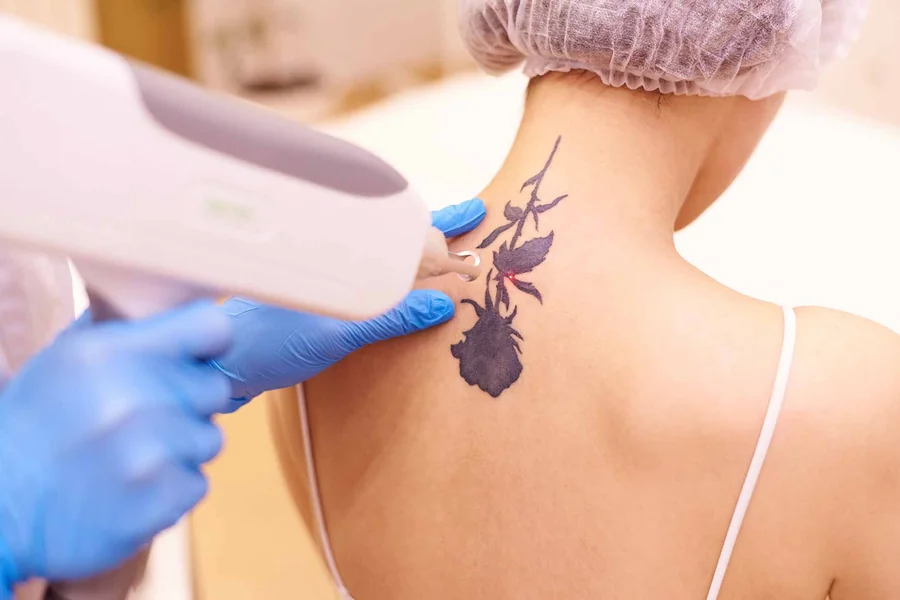
Laser technology has revolutionized the tattoo removal industry, with Q-switched and picosecond lasers leading the way as the gold standard for safe, effective treatment. These advanced systems work by delivering ultra-short pulses of light energy that shatter tattoo ink particles into tiny fragments, which your body’s immune system then naturally eliminates over time.
The safety of laser tattoo removal depends heavily on the equipment’s quality and the operator’s expertise. FDA-cleared laser systems are designed with built-in safety features that protect surrounding skin tissue while targeting only the tattoo ink. Modern lasers also offer multiple wavelengths, allowing practitioners to effectively treat different ink colors while minimizing the risk of skin damage or scarring.
Proper Assessment and Customized Treatment Plans
A truly safe and effective tattoo removal process begins with a comprehensive consultation and assessment. Professional practitioners should evaluate your tattoo’s size, colors, location, and age, as well as your skin type and overall health before recommending a treatment plan.
Fitzpatrick skin type classification plays a crucial role in determining the appropriate laser settings and treatment approach. Darker skin tones require more conservative energy levels to prevent hyperpigmentation or hypopigmentation, while lighter skin can typically tolerate more aggressive treatments. A qualified provider will customize each session to your specific needs rather than using a one-size-fits-all approach.
The Importance of Qualified Practitioners
The person performing your tattoo removal makes all the difference in achieving safe, effective results. Licensed medical professionals, such as dermatologists, plastic surgeons, or certified laser technicians working under medical supervision, have the training and expertise necessary to operate complex laser equipment safely.
Qualified practitioners understand skin anatomy, potential complications, and how to adjust treatment parameters for optimal results. They can also recognize and address adverse reactions immediately, should they occur. When searching for the best tattoo removal in Oklahoma City, OK, or any location, always verify the credentials of the facility and the person who will be performing your treatment.
Managing Pain and Minimizing Side Effects
Effective tattoo removal doesn’t mean you should endure unnecessary discomfort. Reputable clinics offer various pain management options, including topical numbing creams, cooling devices, and local anesthesia for more sensitive areas or larger tattoos.
Temporary side effects like redness, swelling, and blistering are normal and actually indicate that the treatment is working. However, proper aftercare instructions and follow-up monitoring ensure these effects resolve without complications. A safe removal process includes clear guidance on wound care, sun protection, and signs that would warrant contacting your provider.
Realistic Expectations and Treatment Timeline
Safety and effectiveness also depend on setting realistic expectations about the number of sessions required and the final results. Complete tattoo removal typically requires multiple sessions spaced several weeks apart, allowing your skin to heal and your immune system to clear away fragmented ink particles.
Factors like ink quality, tattoo depth, and your body’s immune response all influence how quickly and completely your tattoo fades. Professional practitioners will be honest about what’s achievable and won’t make unrealistic promises about removing your tattoo in just one or two sessions.
Post-Treatment Care and Long-Term Results
The effectiveness of your tattoo removal extends beyond the laser sessions themselves. Following proper aftercare instructions is crucial for preventing infection, minimizing scarring, and achieving the best possible outcome. This includes keeping the treated area clean, avoiding sun exposure, and not picking at any scabs or blisters that form.
Long-term skin health should always be the priority. A safe removal process leaves your skin looking as natural as possible, without permanent textural changes or discoloration. Regular follow-up appointments allow your practitioner to monitor healing and adjust future treatments as needed.
Conclusion
Safe and effective tattoo removal is achieved through a combination of advanced technology, qualified practitioners, personalized treatment plans, and proper aftercare. By understanding these essential elements, you can approach the removal process with confidence and realistic expectations. Take the time to research providers thoroughly, ask questions during consultations, and prioritize facilities that emphasize both safety protocols and proven results. With the right approach, you can successfully remove unwanted tattoos while maintaining healthy, beautiful skin.