

There is a particular anxiety that accompanies renovating a home: the fear of spending too much and never getting it back. Overcapitalizing is the quiet concern that shadows even the most exciting design plans. It happens when renovations are driven by aspiration alone, without enough consideration for context, market realities, or how a home will actually be lived in. Yet the alternative does not have to be timid or uninspired.
The most successful projects are rarely the most expensive ones. Instead, they are guided by clarity. They focus on improvements that enhance how a home functions, how it feels to live in, and how it presents itself to future buyers, without chasing unnecessary luxury. When design decisions are rooted in intention rather than excess, renovation becomes a strategic act rather than a gamble.
Understanding Value Beyond Square Footage
Value is often misunderstood as something purely numerical, tied to square footage or resale price alone. In reality, value is experiential as much as financial. Buyers respond emotionally to homes that feel cohesive, well cared for, and easy to imagine living in. Renovations that support this emotional response tend to perform better in the long run.
A thoughtfully renovated home communicates confidence. It suggests that decisions were made with care rather than impulse. This perception matters. Even modest upgrades can feel luxurious when they are consistent, well executed, and appropriate to the home’s scale and location. Overcapitalizing often occurs when renovations aim to impress rather than to belong.
Start With the Bones
Before finishes and furnishings are considered, smart renovations address a home’s fundamentals. Layout, light, and flow have a greater impact on both livability and value than surface-level updates. Improving how rooms connect, how natural light moves through the space, and how daily routines unfold is rarely flashy, but it pays dividends.
Opening sightlines between key living areas, improving circulation, or rethinking awkward transitions can make a home feel larger and more intuitive without adding square footage. These changes tend to appeal broadly, increasing marketability without tying the home to a specific trend or taste level.
Investing in the bones also creates a strong foundation for future updates. When the underlying structure works, cosmetic changes can be made gradually, reducing the pressure to do everything at once.
Kitchens That Prioritize Function
The kitchen remains one of the most influential spaces when it comes to resale value, but it is also one of the easiest places to overinvest. Custom cabinetry, high-end appliances, and statement finishes can quickly push budgets beyond what the market will support.
Smart kitchen renovations focus on functionality and durability. Well-planned storage, quality hardware, and resilient surfaces matter more than brand names. A layout that supports cooking, gathering, and everyday life will always outperform a showpiece kitchen that looks impressive but feels awkward to use.
Visual interest can be introduced through thoughtful details rather than costly overhauls. A carefully chosen backsplash, improved lighting, or updated fixtures can transform the space without requiring a complete redesign. These targeted upgrades signal care and quality without overwhelming the room.
Bathrooms as Value Drivers
Bathrooms hold a unique position in renovation strategy. They are intimate spaces, yet highly scrutinized by buyers. Like kitchens, they reward clarity and restraint.
A well-renovated bathroom feels clean, calm, and efficient. Upgrading plumbing fixtures, improving ventilation, and refining lighting can dramatically improve the experience without significant structural work. Surfaces should feel cohesive and timeless, favoring materials that age well over those that make a short-lived statement.
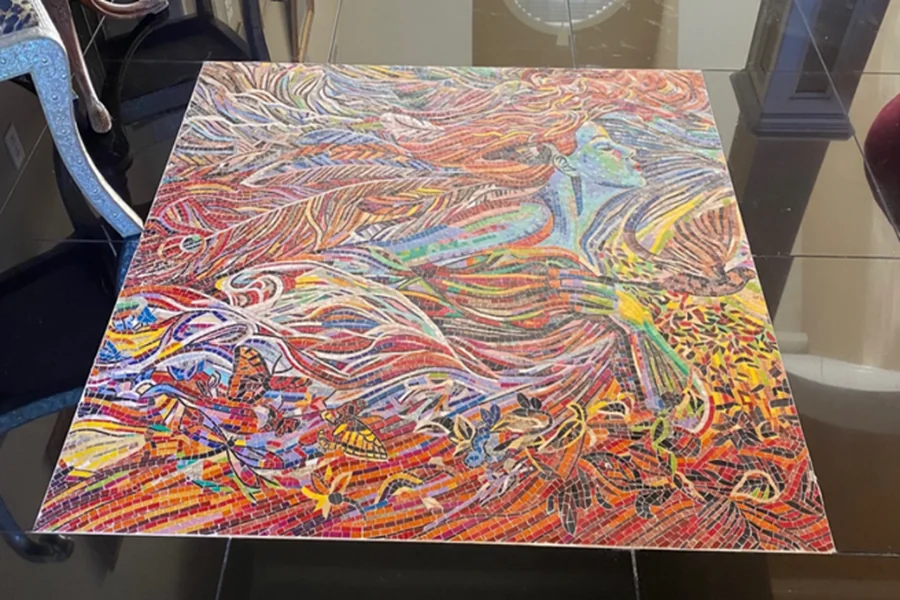
Even small bathrooms benefit from thoughtful design gestures. A subtle floor pattern, a well-proportioned vanity, or an unexpected material moment can add personality without tipping into extravagance. In some homes, a mosaic rug integrated into a bathroom floor becomes a quiet focal point, offering texture and craft while remaining practical and permanent.
Flooring That Grounds the Home
Flooring is one of the most impactful upgrades in a renovation, yet it is often undervalued. Because floors run throughout a home, they create continuity and influence how spaces relate to one another. Replacing mismatched or worn flooring with a consistent, durable option can instantly elevate a property.
Smart flooring choices prioritize longevity and neutrality without sacrificing character. Natural materials, or high-quality alternatives that mimic them convincingly, tend to appeal to a wide audience. The goal is to create a backdrop that supports different furnishing styles rather than dictating one.
Strategic moments of interest can be introduced without overcapitalizing. Entryways, powder rooms, or transitional spaces offer opportunities for pattern or texture that do not overwhelm the home. When used sparingly, abstract mosaics can add visual depth and personality, combining thoughtful design, uniqueness, and durability.
Storage as a Hidden Luxury
Storage is rarely glamorous, but it is one of the most valued features in a home. Smart renovations invest in storage solutions that feel integrated rather than added on. Built-ins, reconfigured closets, and well-planned cabinetry improve daily life while enhancing perceived value.
Buyers may not always articulate why a home feels easier to live in, but they notice when it does. Adequate storage reduces visual clutter, allowing spaces to feel calmer and more spacious. This emotional response often translates into stronger buyer interest.
Importantly, storage upgrades do not need to be custom or expensive to be effective. The key is alignment with the home’s scale and architecture. When storage solutions feel intentional and proportional, they read as quality improvements rather than afterthoughts.
Light, Both Natural and Artificial
Lighting is one of the most cost-effective ways to add value without overcapitalizing. Improving natural light through better window treatments, lighter finishes, or adjusted layouts can transform a home’s atmosphere. Artificial lighting, when layered thoughtfully, enhances functionality and mood.
Replacing outdated fixtures with simpler, well-scaled options can modernize a space instantly. Adding dimmers, improving task lighting, and ensuring consistent color temperature throughout the home all contribute to a more refined experience.
Good lighting makes materials look better, spaces feel larger, and daily routines more pleasant. It is an investment that supports both emotional comfort and market appeal.
Exterior Improvements That Set the Tone
First impressions matter, and exterior upgrades often deliver strong returns relative to their cost. Refreshing landscaping, improving entryways, and addressing exterior maintenance signal that a home has been well cared for.
These changes do not need to be dramatic. A new front door, updated lighting, or simplified planting scheme can dramatically improve curb appeal. The goal is coherence rather than spectacle.
When the exterior feels inviting and proportional, it sets expectations for the interior. This alignment between outside and inside reinforces a sense of value that goes beyond individual features.
Choosing Timeless Over Trendy
One of the most reliable ways to avoid overcapitalizing is to resist trends that are too specific or short-lived. While trends can be inspiring, they can also date a renovation quickly, limiting its appeal.
Timeless choices are not boring. They rely on proportion, material quality, and subtle contrast rather than novelty. When trends are incorporated, they are best used in elements that are easy to update, such as paint, lighting, or accessories.
Permanent features should be chosen with longevity in mind. This approach allows a home to evolve gradually without requiring major reinvestment.
Renovating for Life, Not Just Resale
Perhaps the most important principle in smart renovation is remembering that value is not only realized at resale. A home that supports daily life, reduces stress, and feels comfortable and coherent delivers value every day it is lived in.
Renovations that prioritize how a home functions for its current occupants often translate into broader appeal later. When a space works well, it feels right to others too.
Avoiding overcapitalization does not mean playing it safe at every turn. It means making decisions that are informed, context-aware, and aligned with both lifestyle and market realities.