
The modern workplace often demands a relentless pace. We are constantly connected to our devices, checking emails late into the evening, and pushing our physical limits to meet the next big deadline. As we have previously explored in our breakdown of breaking free from toxic productivity, the constant pressure to always be available does not just cause mental fatigue. It takes a severe physical toll on the entire body. One of the first places this internal turmoil reveals itself is right on the surface. When you are suffering from chronic stress and emotional burnout, your skin is often the very first organ to show clear signs of distress.
The Biology of the Brain-Skin Axis
For decades, dermatologists have observed a reliable link between high-stress periods and sudden breakouts or unexplained rashes. Today, we have a much clearer understanding of the science behind this frustrating phenomenon. Your skin and your central nervous system are intricately connected by a complex network of nerve endings. When you experience prolonged workplace anxiety, your body remains in a heightened state of alert, flooding your system with cortisol and other powerful stress hormones.
This is not just a vague hormonal imbalance. Clinical research published via the NIH has identified a direct neuroimmunological pathway where psychological stress activates specific sympathetic neurons. These neurons then recruit and activate immune cells known as eosinophils, which actively precipitate and significantly worsen skin inflammation over time. Essentially, your brain perceives a stressful work environment as a literal physical threat, and your skin bears the brunt of the resulting immune response.
Recognising the Dermatological Signs of Burnout
When the sympathetic nervous system stays in overdrive due to workplace burnout, the delicate skin barrier becomes severely compromised. It loses its natural ability to retain moisture and defend against everyday external irritants. This weakened state can trigger a variety of uncomfortable and highly visible conditions, particularly for those with pre-existing sensitivities. Finding targeted relief is essential, and many professionals seek out specialised skin care for rosacea in Australia to calm the inflammation and restore their damaged skin barrier before symptoms escalate further.
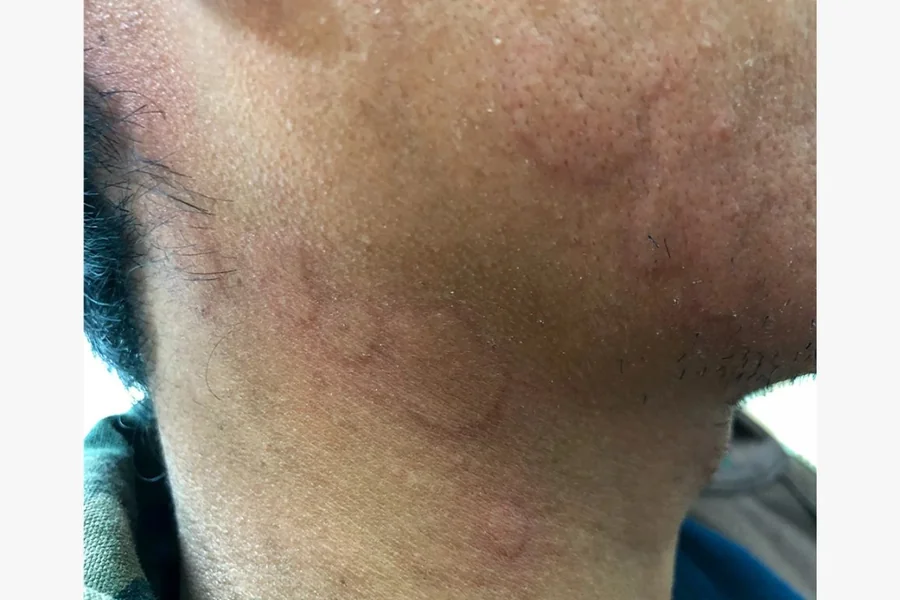
Many professionals notice heightened sensitivity, sudden acne breakouts, or stubborn patches of eczema during their busiest financial quarters. For those who already suffer from underlying inflammatory conditions, a stressful work environment acts as an immediate and aggressive trigger. Rosacea flare-ups, characterised by intense facial redness and visible blood vessels, are incredibly common during periods of high occupational anxiety. Left untreated, the physical discomfort can feed right back into the psychological stress loop, creating a frustrating cycle of ongoing stress and persistent skin irritation.
Strategies to Protect Your Skin and Reduce Occupational Stress
Treating stress-induced skin inflammation requires a comprehensive, dual approach. You must actively address both the external physical symptoms and the internal psychological triggers. Applying expensive calming creams will only do so much if you are still working unreasonable hours in a highly pressured environment.
Consider implementing the following practical strategies to restore balance to both your professional workload and your skin:
- Set Firm Boundaries: Turn off work notifications after hours. Protecting your downtime allows your nervous system to naturally regulate, dropping cortisol levels and giving your skin a much-needed chance to heal from daily aggressors.
- Simplify Your Routine: When your skin is inflamed from burnout, less is more. Switch to gentle cleansers and fragrance-free moisturisers. Avoid harsh exfoliants that can further strip an already compromised skin barrier and worsen redness.
- Prioritise Restorative Sleep: Cellular repair peaks during deep sleep. A consistent lack of rest exacerbates the production of stress hormones, so aim for seven to eight hours of quality sleep each night to fully support your immune system.
- Seek Medical Advice: If lifestyle changes are not resolving the issue, consult a healthcare professional. A qualified dermatologist or a mental health counsellor can provide personalised treatments to help you break the cycle of stress and physical inflammation.
Your skin is a highly sensitive barometer for your overall wellbeing. When your demanding career pushes you to the brink of exhaustion, your body will inevitably sound the alarm through inflammatory flare-ups and compromised skin health. By acknowledging the biological link between chronic workplace stress and dermatological issues, you can take proactive steps to protect your long-term health. Reclaiming your time, managing your stress levels, and setting professional boundaries is not just good for your career. It is absolutely essential for your physical vitality and confidence.