
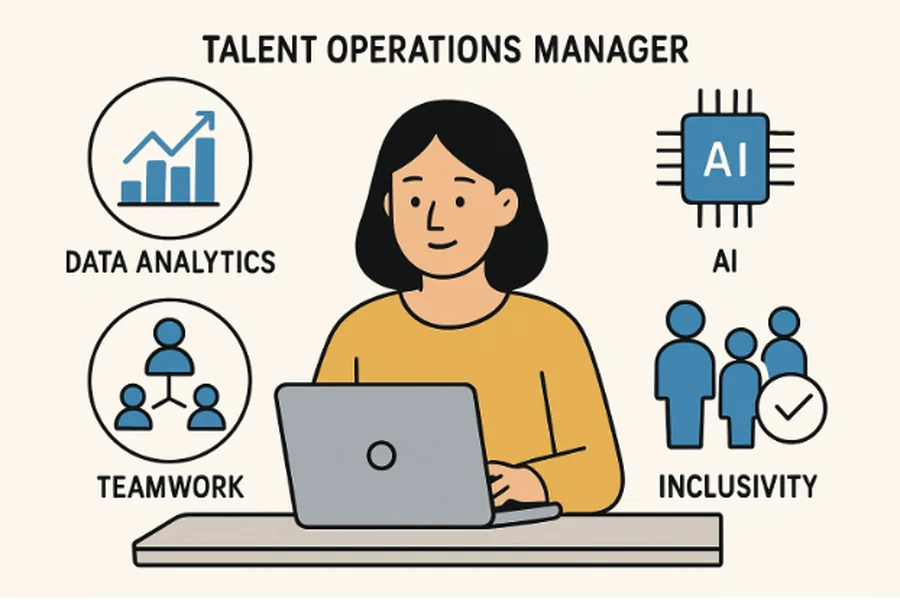
Organizations striving to attract top talent must adopt agile and data-driven hiring approaches. The talent acquisition operations manager stands at the forefront, optimizing the recruitment lifecycle to attract and retain high performers in a quickly evolving market. As businesses navigate talent shortages, shifting candidate expectations, and the integration of new technologies, the role of TOMs becomes indispensable to success.
Acting as strategic facilitators, Talent Operations Managers bridge the gap between a company’s broader workforce objectives and daily recruiting initiatives. Their well-honed focus on efficiency, equity, and the candidate journey redefines the future of hiring—making it not just about filling jobs, but building exceptional teams.
Modern recruitment is no longer siloed within HR, but is tightly woven into the fabric of organizational strategy. Talent Operations Managers bring insight and order to complex hiring challenges, ensuring that every phase of recruitment reflects the company’s mission and values.
The rapid pace of workplace transformation requires expertise at the intersection of people, process, and technology. As TOMs tackle everything from compliance to data analytics, their influence has expanded far beyond traditional recruitment. For more insight into evolving HR functions and their business impact, see this article from SHRM.
The Evolution of Talent Operations
A fundamental shift toward proactive and strategic talent acquisition has marked the transformation of recruitment over the past decade. Where once hiring managers responded reactively to immediate vacancies, TOMs now anticipate organizational needs, build robust talent pipelines, and align recruitment with larger business goals. This shift has been driven by changes in employee expectations around flexibility, purpose, and diversity, coupled with exponential advances in recruitment technology.
Talent Operations Managers have emerged as architects of these new processes, focusing on building resilient systems that can scale with changing demands. Their specialized skill sets blend project management, people analytics, and change management, ensuring talent strategies remain agile and effective amid market volatility.
Key Responsibilities of Talent Operations Managers
- Designing recruitment workflows that balance speed with a quality-first mindset
- Implementing innovative technology for candidate sourcing, screening, and engagement
- Maintaining strict compliance with local and international hiring regulations
- Harnessing data to drive decisions and continuous process improvements
- Enabling cross-functional collaboration to align recruitment programs with evolving business needs
These multifaceted responsibilities require TOMs to act as both strategists and tacticians. By standardizing best practices and facilitating communication across departments, they reinforce the integral role of recruiting in achieving organizational success.
Leveraging Technology in Recruitment
Technology has become a game-changer for recruitment, reshaping everything from how companies find talent to how they evaluate and onboard new hires. TOMs utilize a wide array of recruitment software, including applicant tracking systems, AI-driven screening platforms, and analytics dashboards. Advanced automation minimizes manual work, reduces human bias in the early screening stages, and enables recruiters to focus on relationship-building and strategy.
Artificial intelligence tools can review thousands of applications in seconds, uncovering hidden gems and ensuring fair evaluations. As noted in a SHRM article, organizations that successfully deploy AI in recruiting report increases in speed, diversity, and the quality of candidates.
Enhancing Candidate Experience
The candidate experience has emerged as a critical differentiator in talent acquisition. Talent Operations Managers introduce streamlined communications, easy-to-use scheduling solutions, and transparent feedback loops to minimize frustration and sustain engagement throughout the process. AI chatbots and automated status updates make it easier for candidates to navigate hiring workflows and feel supported at every stage—even before an offer is extended.
Personalizing every touchpoint, from outreach emails to interview invitations, helps organizations stand out and strengthen their employer brand. Modern talent management professionals recognize that a positive candidate journey can create lifelong advocates, even among those who are not ultimately hired.
Promoting Diversity and Inclusion
Diversity and inclusion aren’t just buzzwords—they are central to innovation and resilience. TOMs utilize structured interview techniques, standardized evaluation rubrics, and blind recruitment tools to mitigate unconscious bias and promote a more inclusive process. They advocate for accountability, ensuring that hiring panels are diverse and that recruitment content is accessible and appealing to candidates from all backgrounds.
Prioritizing diversity in recruitment not only builds stronger teams but also drives tangible business benefits, including improved creativity and enhanced financial performance. Industry leaders and publications emphasize the importance of these initiatives for organizational growth; see McKinsey’s “Diversity Wins” report for further details.
Measuring Success in Talent Operations
Meaningful recruitment metrics are essential to talent operations strategy. TOMs continuously track and analyze KPIs like time-to-fill, cost-per-hire, offer acceptance rates, and candidate satisfaction. Advanced dashboards aggregate this data in real time, enabling TOMs to identify bottlenecks and optimize performance.
Regular review of these analytics supports proactive adjustments and demonstrates the impact of recruitment on broader business outcomes. By managing talent as a strategic asset, TOMS helps ensure its organization remains agile and competitive amid continual workforce changes.
Conclusion
Talent Operations Managers are catalysts for transformation in modern recruitment. Their strategic and tech-savvy approach ensures hiring is not merely a transaction but an ongoing opportunity to build dynamic, inclusive, and high-performing teams. As recruitment continues to evolve, TOMs will remain essential partners in navigating change, unlocking efficiency, and securing the talent that drives organizational success.