
Your mouth carries quiet problems that grow when you ignore them. Regular care stops small issues before they turn into pain, high bills, or lost teeth. Many people wait until something hurts. By then, damage has already started. This blog explains how often you should get your teeth cleaned and what dentists look for at each visit. You will see why dental cleanings protect more than your smile. They also protect your heart, blood sugar, and breathing. You will learn how age, smoking, pregnancy, past treatment, and health problems change how often you should go. You will also see what happens during a cleaning, what it feels like, and what to ask before you leave the chair. By the end, you will know how to plan your visits with confidence and keep your mouth steady, strong, and free from avoidable harm.
Why regular cleanings matter
Each day a thin film covers your teeth. It holds germs that feed on sugar and starch. They release acid that eats away at your teeth and gums. Brushing and flossing remove most of this film. Some of it hardens into tartar that you cannot remove at home.
Tartar holds germs close to your gums. It leads to bleeding, loose teeth, bad breath, and bone loss. It also links to heart disease and poor blood sugar control. You can read more about this link from the Centers for Disease Control and Prevention.
Cleanings remove tartar and stains. They lower the number of germs in your mouth. They also give your dentist a clear view of early damage. That means treatment is smaller, faster, and less costly.
General rule for most healthy adults
For most adults with healthy gums, dentists suggest a cleaning every 6 months. This schedule fits how fast plaque hardens into tartar for many people. It also gives two chances a year to catch new cavities and gum problems.
Some people build tartar faster than others. Some have deeper gum pockets or weak enamel. For them, 6 months is too long. Your dentist may suggest a different plan based on what is seen in your mouth.
Who needs more frequent cleanings
You may need cleanings every 3 or 4 months if you have higher risk. You have higher risk if you have any of the following.
- Gum disease now or in the past
- Many fillings, crowns, or implants
- Diabetes or another condition that weakens healing
- Use of tobacco in any form
- Dry mouth from medicine or health problems
- Pregnancy
- History of many cavities
Shorter gaps mean tartar does not sit as long. Your gums stay calmer. Bone loss slows. Painful flares become less common. The American Dental Association explains that cleaning frequency should match your personal risk. You can read more at the American Dental Association preventive care page.
How often should children get cleanings
Children should start seeing a dentist by their first birthday or when the first tooth shows. After that most children need cleanings every 6 months.
A child may need more frequent visits if there are any of these signs.
- White or brown spots on teeth
- Use of a bottle or sippy cup with juice or milk between meals
- Snacking many times each day
- Special health needs or medicine that causes dry mouth
Regular cleanings help your child learn good habits early. They also help reduce fear. Short, calm visits build trust and comfort over time.
Suggested cleaning schedule by life stage
| Group | Typical schedule | When to shorten the gap
|
|---|---|---|
| Young children | Every 6 months | History of cavities or sweet drinks often |
| Teens | Every 6 months | Braces, poor brushing, or tobacco use |
| Healthy adults | Every 6 months | New cavities or bleeding gums |
| Adults with gum disease | Every 3 to 4 months | Deep pockets or bone loss on X rays |
| Pregnant people | At least once during pregnancy | Morning sickness, bleeding gums, or dry mouth |
| People with diabetes | Every 3 to 6 months | Poor blood sugar control or past gum disease |
| Tobacco users | Every 3 to 4 months | Stained teeth or slow healing |
What happens during a cleaning
A cleaning visit usually includes three parts.
- Checkup. Your dentist or hygienist looks at your teeth, gums, and tongue. They may take X rays if needed. They check for cavities, loose teeth, sores, and signs of grinding.
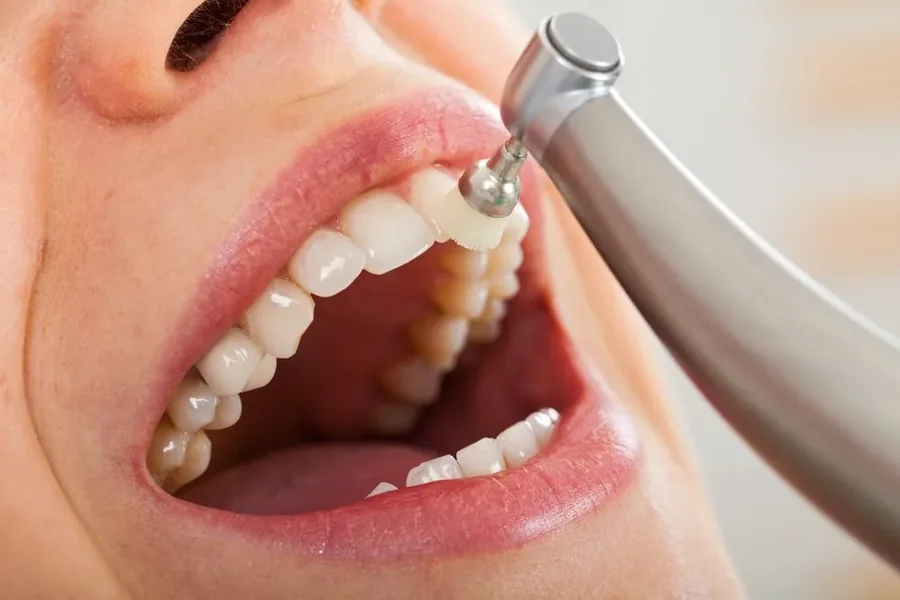
- Scaling and polishing. The hygienist removes tartar with small tools and sometimes with an ultrasonic cleaner that uses water. Then teeth are polished to remove soft stains.
- Fluoride or other protection. Some people receive fluoride, sealants, or other treatments to protect weak spots.
You can ask for a short break at any time. You can also ask for numbing gel if your gums feel sore. Clear talk with your dental team keeps you in control.
How to know if your schedule is right
Your mouth gives you signals. You may need more frequent cleanings if you notice any of the following between visits.
- Gums that bleed when you brush or floss
- Persistent bad breath
- Teeth that feel loose or different
- Sensitivity to hot or cold
- New spaces between teeth
Bring these signs up right away. Do not wait for your next routine visit. A small change in schedule can protect you from deep cleaning treatment or tooth loss.
Questions to ask your dentist
At your next cleaning, ask three direct questions.
- How often do you suggest cleanings for my mouth and why
- What signs should make me call sooner than my next visit
- What can I change at home to stretch the benefits of this cleaning
These questions turn your visit into a shared plan. You leave with clear steps and less guesswork.
Balancing cost, time, and health
Cleanings take time and money. Still, they cost less than fillings, crowns, or emergency visits. Regular visits cut the chance of sudden pain that forces you to miss work or school.
Think of cleanings as routine upkeep. You protect your teeth, your comfort, and your budget. You also lower the risk that mouth germs will strain your heart and blood sugar. That trade is worth firm attention.
With a schedule that fits your life and health, you keep your mouth steady and strong. You also keep small problems from taking control of your days.