
Cavities can turn a normal day into a painful one. You deserve clear steps that protect your teeth at home. This guide gives you plain answers that you can use right away. You will learn how cavities start, how they grow, and how to stop them before they damage your mouth. You will see which daily habits matter, which products help, and which common myths cause harm. You will also learn when home care is enough and when you need a visit to a dentist. Every tip in this guide supports one goal. You keep your natural teeth strong for as long as possible. If you ever feel unsure, you can always read more at dentistsofhinsdalelake.com.
How cavities start in your mouth
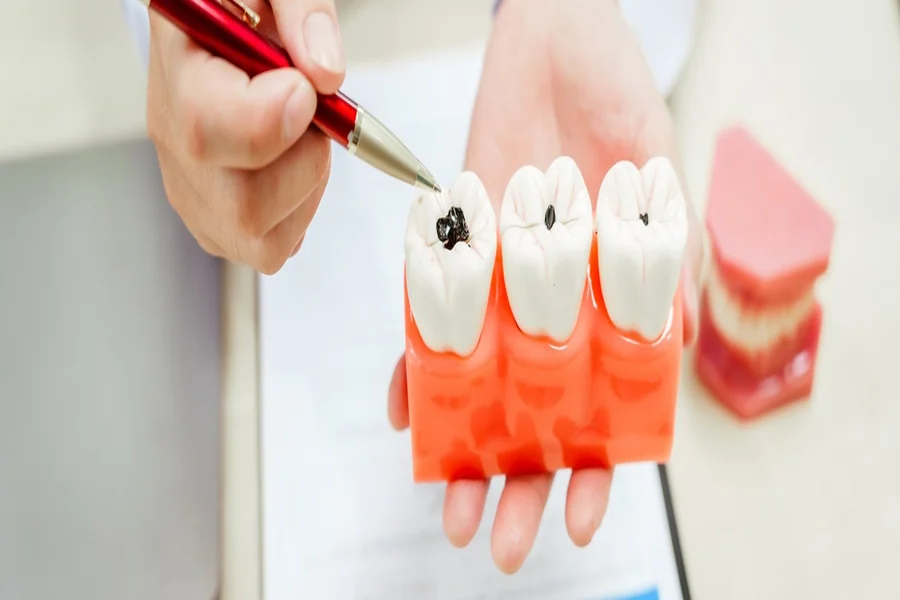
Cavities start with germs in your mouth. These germs feed on sugar from food and drinks. Then they turn sugar into acid. That acid attacks the hard outer shell of your teeth. Over time, the shell gets soft. A small hole forms. That hole is a cavity.
You cannot feel this right away. At first, there is no pain. Then the hole grows. It reaches the deeper parts of the tooth. That is when you feel sharp pain, heat, or cold sensitivity, or pain when you chew.
You stop cavities when you cut off what germs need. You also help your teeth repair small early damage before a hole forms.
Daily habits that protect your teeth
You control three main habits at home. How do you clean your teeth? What you eat and drink. How often do you give your mouth a break?
1. Brush the right way
- Brush two times each day for two minutes.
- Use a soft-bristle brush.
- Hold the brush at an angle toward the gumline.
- Use short strokes on all sides of every tooth.
- Spit out the foam. Do not rinse with water right away.
Spitting and not rinsing keeps a thin layer of paste on your teeth. That layer protects your teeth longer.
2. Use toothpaste with fluoride
Fluoride is a natural mineral. It makes tooth enamel harder. It also helps repair early damage from acid.
- Pick a paste that lists fluoride on the label.
- Use a smear the size of a grain of rice for children under age 3.
- Use a pea-sized amount for children age 3 and older and for adults.
The Centers for Disease Control and Prevention explain how fluoride protects teeth in simple terms at this CDC fluoride overview.
3. Clean between teeth every day
A toothbrush cannot reach between teeth. Food and germs sit there. That space is a common spot for cavities.
You can use:
- Dental floss.
- Small interdental brushes.
- Pre-threaded flossers for children or adults with limited hand movement.
Slide the tool between teeth. Curve around each tooth in a C shape. Then move up and down to scrape the side of the tooth.
What you eat and drink matters
Every time you eat or drink sugar, germs make acid. That acid attack lasts about 20 to 30 minutes. Your saliva slowly washes away the acid and helps repair your teeth.
Three patterns raise your risk:
- Frequent snacking.
- Sipping sweet drinks for long periods.
- Sticky snacks that cling to teeth.
Better and worse choices for your teeth
| Choice | Better for teeth | Hard on teeth
|
|---|---|---|
| Drinks | Plain water, unsweetened tea, plain milk | Soda, sports drinks, juice, sweet coffee drinks |
| Snacks | Cheese, nuts, plain yogurt, fresh fruit, raw veggies | Candy, cookies, chips, sweet cereal |
| Timing | Short meal times, limited snacks | Frequent grazing all day |
You do not need a perfect diet. Instead, try three simple shifts. Drink water most of the time. Keep sweets with meals, not between meals. Pick one snack time instead of constant snacking.
Protecting your child’s teeth
Children get cavities faster than adults. Their enamel is thinner. Their habits are still forming. You guide them.
- Start brushing as soon as the first tooth appears.
- Use a small soft brush and a tiny amount of fluoride paste.
- Help your child brush until at least age 7 or 8.
- Do not put a baby to bed with a bottle of milk or juice.
- Offer water between meals.
The American Academy of Pediatric Dentistry and the National Institute of Dental and Craniofacial Research share simple charts and tips for parents at this NIDCR tooth decay page for children.
Fluoride at home and in your community
Many public water systems add fluoride. This level is safe. It lowers cavity risk for children and adults.
You can:
- Check if your tap water has fluoride through your local water utility.
- Use fluoride toothpaste every day.
- Ask your dentist about fluoride varnish for children or high-risk adults.
If you drink only bottled water, you may miss this protection. You might need other fluoride sources. Ask during your next dental visit.
Common myths that cause harm
- Myth: Baby teeth do not matter.
Truth. Cavities in baby teeth cause pain, infection, and trouble eating and sleeping. They also affect how adult teeth come in.
- Myth: You can feel every cavity.
Truth. Many cavities stay silent until they are large. That is why regular checkups matter.
- Myth: Hard brushing cleans better.
Truth. Hard brushing wears away enamel and gum tissue. Gentle brushing with the right technique works better.
When home care is not enough
Home care lowers your risk. It does not replace regular dental visits. You need a dentist to find early decay, clean hardened plaque, and place sealants or fillings when needed.
Call a dentist if you notice:
- Tooth pain that lasts more than one day.
- Sharp pain with hot, cold, or sweet food.
- Visible holes, dark spots, or chips.
- Swelling in your face or gums.
Quick care at this stage can save your tooth and lower your cost and stress.
Your simple three step plan
You can start today. Follow three clear steps.
- Clean. Brush with fluoride twice a day and clean between teeth once a day.
- Choose. Drink water often and limit sweet snacks and drinks.
- Check. See a dentist for regular exams and cleanings, and ask about fluoride and sealants.
Small, steady choices protect your teeth. They also protect your comfort, your sleep, and your wallet. You have more control than you may feel. Each time you pick up your brush or glass of water, you lower your chance of the next painful cavity.