
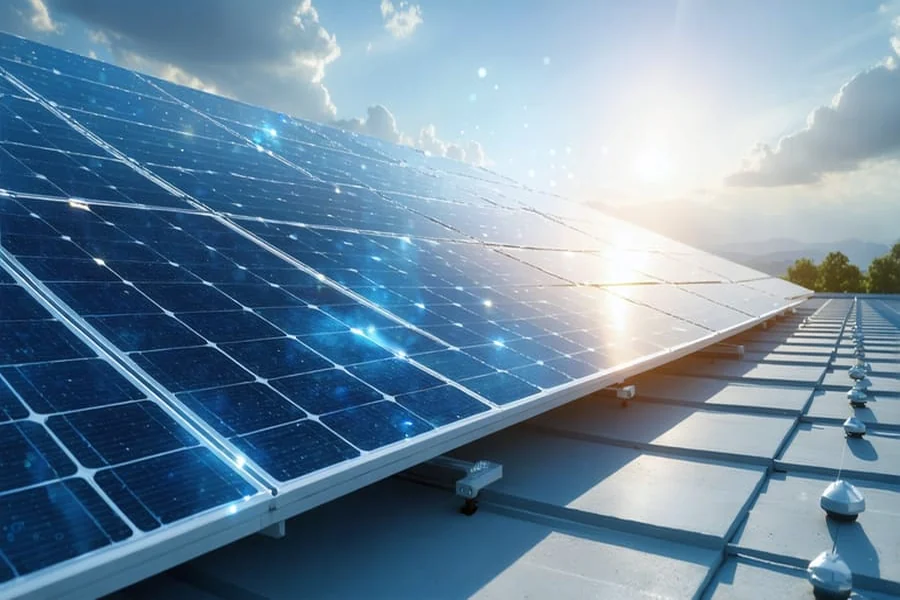
Solar power systems require a large upfront investment, which can stand in the way of many people who want to install one. To get around this significant investment requirement, some people will start small with a solar power system and continue to expand it over a few years until it meets their needs. But how can you do this without requiring costly upgrades to existing equipment?
Start with a Flexible System Design
When building a solar power system, you might be focused only on your current energy needs. However, electricity usage often increases over time, as you add appliances, electric vehicles, battery storage, or expand your home. Designing your system with future expansion in mind can save significant time and money later. By choosing flexible equipment and leaving room for upgrades later, you can expand your system without replacing the major components.
Choose a Hybrid Inverter
One of the most important decisions you can make if you want to expand in the future is selecting a hybrid inverter. A hybrid inverter is designed to work with both solar panels and battery storage, even if you don’t plan to install batteries right away.
With a standard grid-tied inverter, adding batteries later often requires installing a separate battery inverter or replacing the original inverter entirely, both of which are major expenses you don’t want. A hybrid inverter eliminates this problem. It allows you to add battery storage in the future with minimal changes to your system. This makes it much easier to transition from a basic solar setup to a hybrid system that can store power for nighttime use or provide backup power during outages.
Oversize Your Inverter Capacity
Another smart strategy is choosing an inverter that can handle more solar capacity than you’re starting out with. Many homeowners install a system sized exactly for their current panel count, only to find out later that their inverter can’t support additional panels.
By picking an inverter with extra capacity, you create room to add more panels in the future. For example, if your initial system uses 6 kW of panels, you might install an 8-kW or 10-kW inverter. This extra capacity allows you to expand your array later without replacing the inverter. Since the inverter is one of the most expensive components in a solar system, avoiding the need to replace it when you upsize can save thousands of dollars.
Leave Space for Additional Panels
Physical space is another thing people sometimes overlook. When installing your initial system, consider leaving room on your roof for additional panels later. Even if you don’t plan to expand right away, having designated areas for future panels makes upgrades much easier. Installers can simply add panels to the existing array rather than redesigning the entire layout.
Think Long-Term from the Beginning
Building a solar power system with future expansion in mind is one of the smartest decisions you can make. With a little foresight during installation, and by upgrading to a Sol-Ark Limitless 15k hybrid inverter, you can create a solar setup that can be adapted to your needs for many years to come.