
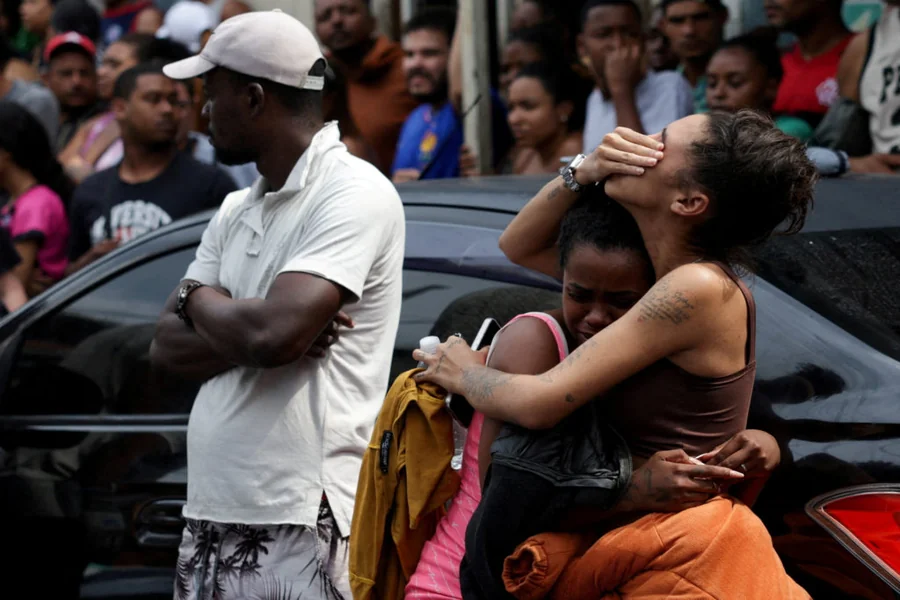
Public gatherings are supposed to be safe. A football game, a concert, a community festival — these are places where families expect to relax, not places where they expect gunfire to erupt without warning.
That’s exactly what happened recently when gunfire broke out during a football game, leaving a 17-year-old boy dead and a community searching for answers. Police confirmed the shooting was gang-related, and a 15-year-old was arrested and now faces murder charges along with participation in a criminal street gang.
How the Case Escalated After the Shooting
Gang-related shootings rarely happen in isolation, and this case was no exception. In the days following the football game shooting, law enforcement made additional arrests tied to what investigators believe was a planned retaliatory attack.
In one round of arrests, an 18-year-old and two 15-year-old boys were taken into custody after officers found them with a firearm, face coverings, and gloves. All three reportedly had known gang ties. A separate traffic stop led to the arrest of two more 18-year-olds and a 17-year-old, with officers recovering two additional firearms along with masks and gloves matching the earlier arrests.
The pattern of weapons, disguises, and coordinated movement points to planning that goes well beyond a single impulsive act. For anyone pursuing accountability after a shooting like this, that kind of escalation can matter a great deal, both criminally and civilly.
How Gang Conflicts Escalate Into Public Violence
Gang-related shootings rarely happen in isolation. Law enforcement investigations often reveal that a single incident is tied to an ongoing pattern of retaliation between rival groups.
This kind of escalation matters for more than just the criminal case. Once investigators confirm that a shooting stems from gang conflict, it can shape how liability gets determined and who may ultimately be held accountable.
In many cases, arrests continue well after the initial shooting. Law enforcement may intercept individuals preparing for retaliatory attacks, sometimes finding weapons, disguises, or other evidence of premeditation. These follow-up arrests can reveal just how organized and foreseeable this type of violence can be, which becomes important when evaluating whether a venue or event organizer should have anticipated the risk.
Why Foreseeability Matters in These Cases
One of the central questions in any premises liability claim is whether the harm was foreseeable. If a location has a history of gang activity, prior incidents, or known tensions between groups, that history can factor heavily into a legal claim.
Venues and event organizers have a responsibility to provide reasonable security measures for the people who attend. This includes schools, stadiums, concert venues, and any other space that hosts large public gatherings.
When a shooting occurs and the evidence suggests that security was inadequate given known risks, victims may have grounds to pursue a claim separate from the criminal prosecution of the shooter.
Who Can Be Held Responsible
It’s a common misconception that only the person who pulled the trigger can be held liable after a shooting. In reality, personal injury and wrongful death law recognizes that multiple parties can share responsibility for the same incident.
Depending on the circumstances, the following parties may bear some liability:
- Property owners or venue operators. If the location failed to implement reasonable security measures despite known risks, the owner or operator could be found negligent.
- Event organizers. Organizations responsible for planning and staffing a public event may be held accountable if their security planning fell short of industry standards.
- Third-party security providers. When a venue contracts out its security, the security company itself may share liability if its personnel failed to respond appropriately or were inadequately trained.
Identifying every liable party requires a thorough investigation, which is one of the biggest reasons victims and families benefit from experienced legal representation rather than trying to piece together a claim on their own.
The Toll on Victims and Families
Surviving a shooting, or losing a loved one to one, creates a burden that extends far beyond the physical injury itself. Families often face mounting medical bills, funeral expenses, lost income, and the kind of emotional trauma that doesn’t show up on a balance sheet.
Criminal prosecution of the shooter can bring a sense of justice, but it does not put money toward medical care or replace lost wages. Restitution ordered in a criminal case is also frequently limited or difficult to collect, especially when the defendant is a minor with no independent income.
This is where civil claims serve a different, and often more practical, purpose. A civil case can pursue compensation from parties with the financial resources or insurance coverage to actually pay a judgment or settlement.
Building a Strong Claim After a Shooting
Successful premises liability and wrongful death claims tied to gang violence depend on solid evidence. This typically includes:
- Police reports and investigative findings that establish how the shooting occurred and whether it was foreseeable.
- Security footage showing the response time and actions of on-site personnel before, during, and after the incident.
- Witness statements from people who observed suspicious activity or a lack of security presence leading up to the shooting.
- Prior incident records showing whether the venue had a history of violence or safety complaints.
- Gathering and preserving this evidence quickly is critical, since security footage may be overwritten and witness memories fade over time.
Insurance Companies Won’t Make This Easy
Even when liability seems clear, insurance companies representing venues, security firms, or property owners rarely offer fair compensation without a fight. Adjusters are trained to minimize payouts, and they often use tactics designed to pressure grieving families into accepting less than their claim is worth.
Families dealing with the aftermath of a shooting are already managing grief, medical needs, and financial strain. Negotiating with an insurance company on top of all of that is an unreasonable expectation, and it’s rarely a fair fight without legal guidance.
Why You Shouldn’t Navigate This Alone
Cases involving gang-related violence are often more legally complex than a typical personal injury claim. They may involve overlapping criminal and civil proceedings, multiple defendants, and insurance carriers looking for any reason to deny or reduce a claim.
An experienced personal injury attorney can investigate every angle of what happened, identify all potentially liable parties, and build a case supported by strong evidence. This includes handling every conversation with insurance companies so that families are not pressured into premature settlements.
If you or someone you love has been injured, or if you’ve lost a family member, due to gang-related violence at a public event, you don’t have to face the legal process alone. Speaking with a local personal injury law firm can help you understand your rights, evaluate potential sources of compensation, and pursue the accountability your family deserves.