

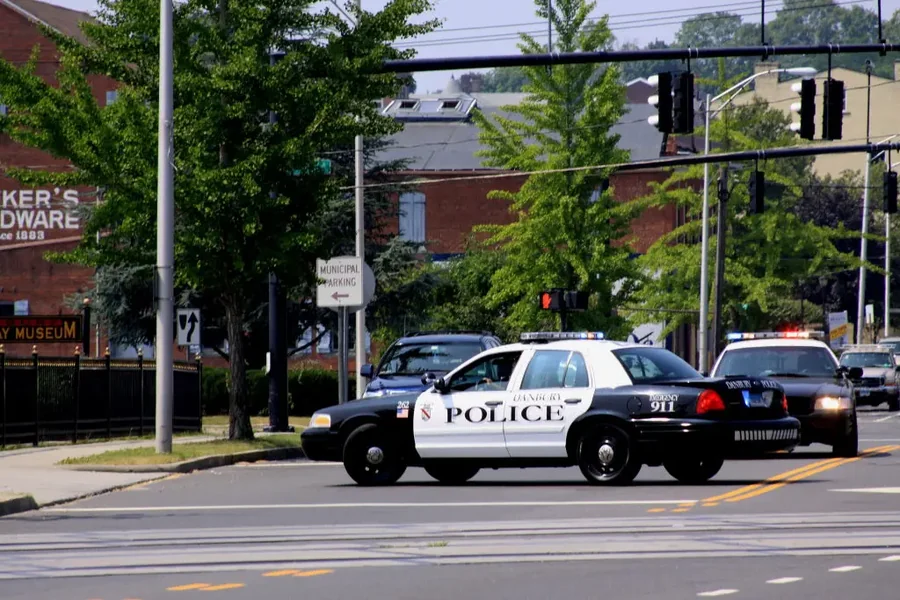
You might still be replaying the night in your head. The flashing lights in the mirror, the field sobriety tests, the handcuffs, the ride to the station. Now you are out, maybe back home or with family, and everything feels shaky. You might be wondering if you are going to lose your license, your job, or even your freedom. Black’s Law Group can help you understand your options and what comes next.end
If you were arrested for a DUI in or around Danbury, you are not alone, and you are not beyond help. The process ahead is serious, but it is also structured and predictable. Once you understand what happens after a DUI arrest, the fear often becomes a plan. In simple terms, you can expect three tracks to unfold at the same time. A criminal case in court, a license suspension process through the DMV, and possible requirements for treatment or education. Each track affects your future in a different way.
So where does that leave you right now. In the next few minutes, you will see what usually happens step by step, what could be at stake, and what you can start doing to protect yourself and your future.
What happens in the first 24 to 72 hours after a DUI arrest?
Right after a DUI arrest, the experience is often a blur. You are taken to the police station, asked to take a breath or blood test, processed, and at some point released. Then the second wave hits. The paperwork. The court date. The anxiety about what comes next.
Typically, after a DUI arrest in Danbury or anywhere in Connecticut, you receive a summons with your first court date. That date is usually within a couple of weeks. At the same time, if you either refused the chemical test or your test result was over the legal limit, the DMV is notified and a license suspension process begins on a separate track. This DMV process can affect your ability to drive even before a judge decides anything in your criminal case.
Because of this, you might feel like you are being punished twice. You face criminal charges in court and administrative penalties with the DMV. It feels confusing and unfair. Yet these are two different systems running at the same time, and understanding that difference is the first step toward making smart choices.
On the emotional side, it is normal to feel ashamed or scared. You might be worried about telling your employer, your spouse, or your kids. You might also be angry at yourself or at the officer. All of this is human. The key is not to let those feelings freeze you into doing nothing, because time matters after a DUI arrest.
How do the criminal charges and DMV license suspension actually work?
Think of what happens after a DUI arrest in Danbury as two paths that run side by side. The criminal court path and the DMV path. They can influence each other, but they are not the same.
On the court side, you are facing a criminal charge. That could be your first offense or a repeat offense. The prosecutor will look at your record, the police report, the test results, and any accident or injuries. Potential consequences can include fines, probation, community service, mandatory alcohol education, ignition interlock devices, and in some cases jail time.
On the DMV side, the focus is your privilege to drive, not your guilt or innocence in a criminal sense. The Connecticut DMV can suspend your license based on your test result or refusal, even if your criminal case is still pending. You can review the state’s official information on DUI related suspensions on the Connecticut DMV DUI suspension page.
Because these processes move on different schedules, it is common for someone to be facing a license suspension before their first real chance to argue their case in court. That is one reason people often reach out to a criminal defense lawyer early, so nothing important is missed.
So what happens if this is your first DUI and no one was hurt. In many first offense situations, you might be eligible for a diversion or intervention program instead of a straight conviction. In Connecticut, that can include pretrial intervention programs that involve counseling, education, or treatment. You can see an overview of one such option on the state’s page about the Pretrial Intervention Program (PTIP). Programs like these can sometimes lead to a dismissal if you complete the requirements, which can be life changing for your record and your future.
On the other hand, if there was an accident, injuries, a very high blood alcohol level, or prior offenses, the stakes become higher quickly. Penalties can increase, and some options may not be available. This is where the details of your case matter a lot.
What are the real risks of handling a DUI alone versus working with a criminal defense lawyer?
Once the initial shock fades, a common question appears. Do you really need a lawyer, or can you handle a DUI case on your own. It is a fair question, especially if you are worried about money.
There is no one answer for everyone, but there are clear differences between trying to manage a DUI case after arrest on your own and working with a criminal defense lawyer who focuses on these cases.
| Issue | Handling It Yourself | Working With a Criminal Defense Lawyer |
|---|---|---|
| Understanding charges and penalties | Rely on internet searches and what you hear in court, which can be confusing or incomplete. | Get a clear explanation of each charge, possible penalties, and realistic outcomes based on your facts. |
| DMV license suspension | May miss deadlines to request hearings, leading to automatic suspensions. | Track deadlines, request hearings when appropriate, and present arguments to reduce impact on your license. |
| Access to diversion or intervention programs | Might not know which programs you qualify for or how to apply in a way the court will accept. | Identify suitable programs and advocate for your admission to reduce long term consequences. |
| Long term record and employment impact | May accept a quick plea that creates a permanent record without understanding future costs. | Work toward outcomes that protect your record when possible, such as dismissals or reduced charges. |
| Stress and uncertainty | Spend a lot of time worrying and guessing about what will happen at each stage. | Have someone explain the process, prepare you for each step, and handle communication with the court and DMV. |
Of course, hiring a lawyer is an investment, and you should weigh that against the potential costs of fines, higher insurance, lost work, and long term record issues. When you look at the full picture, the cost of going alone can sometimes be much higher than it seems at first.
For context, state agencies treat impaired driving very seriously. You can see how much focus and funding goes into enforcement and safety programs on the Connecticut impaired driving safety program Apage. This level of attention means DUI cases are not something the system takes lightly.
What should you do right now after a DUI arrest?
So, with all this in mind, what can you actually do today. The situation feels big, but your next steps can be simple and focused.
Gather and organize every document you received
Put all of your paperwork in one place. This includes the ticket or summons, any release forms, your DMV notice, and any paperwork from the police station. Write down everything you remember about the stop while it is still fresh. Where you were, what you drank or took, what the officer said, whether you did field tests, and whether you took or refused the breath or blood test. These details can matter a great deal, and memory fades quickly.
Protect your license and track all deadlines
Look carefully for any mention of license suspension dates or hearing request deadlines. The DMV process often has strict time limits. If you miss them, your license can be suspended automatically. Even if you are still figuring out whether to hire a criminal defense lawyer, do not ignore these notices. If you depend on driving for work, school, or family, this step is especially important.
Reach out for legal guidance before your first court date
Before you walk into court, talk with an attorney who handles DUI and criminal defense work. Even a short consultation can help you understand your options and what to expect on your first day in court. You can discuss whether you might qualify for intervention programs, what a realistic outcome might look like, and how to manage both the court and DMV tracks. This conversation can lower your stress and help you make decisions based on information, not fear.
Moving forward after a DUI arrest in Danbury
A DUI arrest can feel like everything in your life has tilted. You might worry that this one night will define you, that it will follow you forever. It is a serious moment, but it is not the end of your story.
When you understand what happens after a DUI arrest in Danbury, the situation becomes less mysterious and more manageable. There is the criminal case, the DMV process, and possible treatment or education programs. There are risks, but there are also tools and strategies. With the right information and support, many people come through this with their license restored, their record protected as much as possible, and their lives back on track.
You do not have to navigate this alone. Reach out to a trusted criminal defense lawyer in your area, ask your questions, and start turning uncertainty into a plan. The sooner you act, the more options you are likely to have, and the sooner you can begin to put this chapter behind you.