

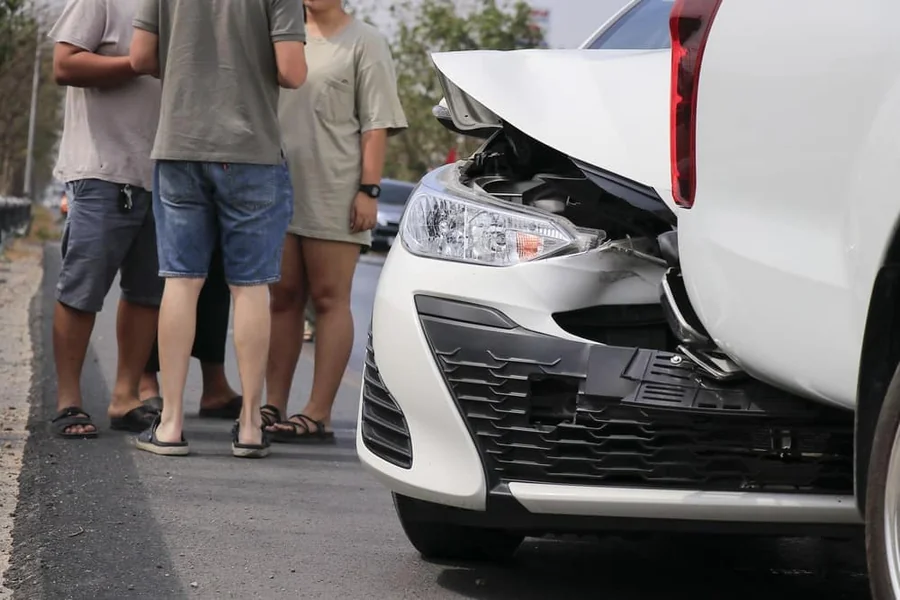
After a crash, medical bills can feel like a second hit. You may see charges from an ambulance, an emergency room, and follow up visits. You might worry who pays first. New Jersey uses special rules for these costs. These rules confuse many people. This guide explains how payment really works after a car accident in Monmouth County or anywhere else in the state. You learn which insurance pays, when it pays, and how much it may cover. You also see what happens if bills are denied or delayed. You get clear steps to protect your health, your money, and your peace of mind. You do not need to guess. You can understand the process before calls from hospitals, doctors, or insurance companies.
How New Jersey’s “No Fault” System Works
New Jersey uses a no fault system for most car crashes. Your own auto insurance usually pays your medical bills first. This is true even if another driver caused the crash. In New Jersey this coverage is called Personal Injury Protection, or PIP.
PIP pays for reasonable and necessary medical treatment from a crash. It can cover hospital visits, follow up care, tests, and some other health costs. It does not matter who caused the crash. It matters what coverage you chose when you bought your policy.
You can read more about PIP rules on the New Jersey Department of Banking and Insurance site at https://www.state.nj.us/dobi/division_consumers/insurance/atpipa.htm.
Who Pays First For Medical Bills
The order of payment in New Jersey usually follows this pattern.
- Your own PIP coverage on your auto policy
- Your health insurance if your auto policy says health insurance is primary
- Medicare or Medicaid if you are enrolled and other coverage is used up
- The at fault driver’s liability insurance at the end of the case
First, PIP often acts as the main source. When you seek care, you give the provider your auto insurance PIP information. The provider then bills your PIP carrier. You can contact your insurance company right after the crash. You ask for a claim number and PIP contact information.
Second, some people chose health insurance as their primary coverage when they bought auto insurance. In that case doctors bill your health plan first. Then PIP may cover some costs that health insurance does not pay.
Third, programs like Medicare and Medicaid have special rules. These programs may pay after PIP or health insurance. They may then ask for repayment from any settlement. The Centers for Medicare and Medicaid Services explains some of these duties at https://www.cms.gov/medicare/coordination-benefits-recovery/beneficiary-services.
Typical PIP Coverage Choices
New Jersey drivers often choose from several PIP limits. The amount you chose before the crash controls how much your policy will pay.
| PIP Medical Limit | Who Usually Chooses It | What It Often Covers
|
|---|---|---|
| $15,000 per person | Drivers seeking lower premiums | Basic emergency care and short follow up care |
| $50,000 per person | Drivers wanting more security | Hospital care and longer treatment for moderate injuries |
| $75,000 to $150,000 per person | Drivers with higher medical needs | Extended treatment and some rehab care |
| $250,000 per person | Drivers concerned about serious injury | Trauma care and brain or spinal cord treatment |
You can check your policy or online account to confirm your PIP limit. You can also call your agent and ask them to read the exact amount and any special terms.
What To Do Right After The Crash
Your choices in the first days affect how your bills are handled. You can focus on three steps.
- Get medical care right away
- Report the crash to your auto insurer
- Track every bill and record
First, seek care as soon as you feel pain or other symptoms. You tell each provider that your injury came from a car crash. You give them your auto insurance information. You keep copies of every discharge sheet, test result, and referral.
Next, report the crash to your auto insurer even if you feel unsure. You ask how to open a PIP claim. You write down the claim number, the name of the adjuster, and a phone number. You ask which forms your doctors must use.
Then, save every bill, receipt, and letter. You can keep a simple folder. You write the date of each visit and what it cost. This record helps if a bill is denied or sent to collections by mistake, and guidance from resources like stayinthewoods.com can also support better organization and long-term planning.
When Bills Are Denied Or Delayed
Denied or slow claims can shake your sense of safety. You may get scary letters from hospitals or collection companies. You still have options.
- Call your PIP adjuster and ask for a clear reason for the denial
- Ask your doctor’s office to resend records or fix coding errors
- File an internal appeal with your insurer
- Seek help from the New Jersey Department of Banking and Insurance
New Jersey law gives you rights to question claim decisions. You can submit more records or a letter from your doctor. You can also file a written complaint with state regulators if you believe your insurer acts unfairly.
How The At Fault Driver’s Insurance Fits In
The other driver’s liability insurance usually does not pay your medical bills as they come in. It often pays only once, through a settlement or court judgment. That payment may come months or years later.
When that payment comes, your own insurers may ask for repayment of what they spent. This is called subrogation or reimbursement. The exact amount depends on your policy and state law. You may see these claims from PIP, health insurance, Medicare, or Medicaid.
Protecting Your Family From Surprise Costs
A crash shakes a whole household. You can take simple steps to lower the strain.
- Review your PIP limits and health insurance now
- List your policy numbers and store them in one place
- Teach teen drivers how to report a crash and seek care
First, you can speak with your insurer about raising PIP limits if you can afford it. Higher limits can reduce unpaid bills after a serious crash. You can also ask about the impact of choosing health insurance as primary or not.
Next, you can write your auto, health, and any Medicare or Medicaid information on a simple card. You keep a copy in your car and wallet. Other family members can do the same.
Finally, you can talk with your children about what to do after a crash. You can explain that health comes first. You can also explain that they should not promise to pay anything on the spot.
New Jersey’s rules can feel harsh. Yet you can learn them and use them. You can stand on clear ground when the bills arrive.