
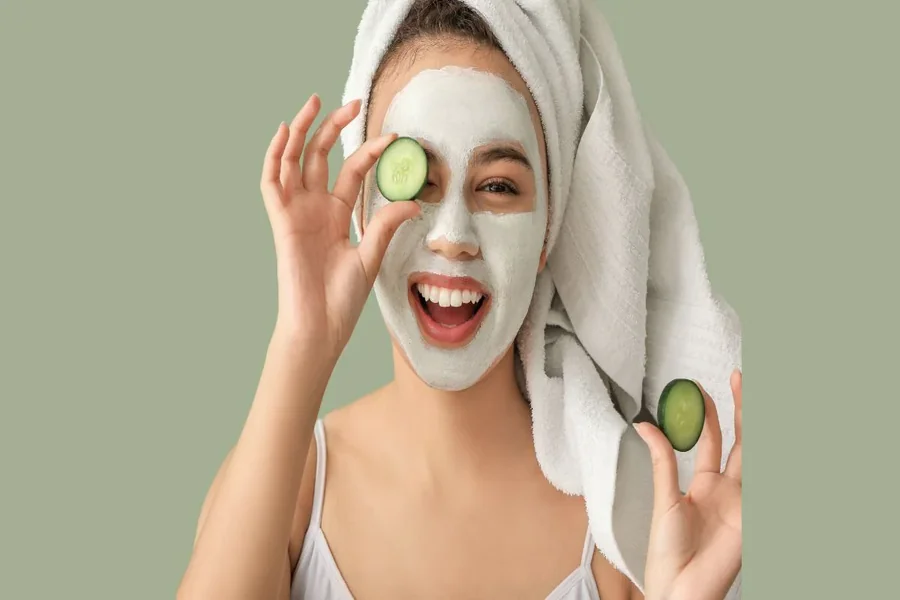
Healthy, glowing skin is not only about cleansing and moisturizing. Exfoliation and deep nourishment also play an important role in maintaining balanced skin. This is where skincare products like scrubs and masks become essential. Many people often confuse the two or assume they serve the same purpose. However, they work very differently and offer unique benefits to your skin.
Understanding the difference between a natural face scrub and a face mask can help you build a smarter skincare routine. When used correctly, both products can complement each other and improve your skin’s texture, clarity, and overall appearance.
In this blog, we will explore what each product does, how they work, their benefits, and how to decide which one your skin truly needs.
What Is a Natural Face Scrub?
A natural face scrub is an exfoliating skincare product designed to remove dead skin cells, dirt, and impurities from the surface of the skin. It typically contains small, natural exfoliating particles such as plant powders, seeds, grains, or herbal ingredients that gently polish the skin.
When you massage a scrub onto your skin, the fine particles physically lift away dead skin buildup that regular cleansing may not remove. This helps unclog pores, smooth rough skin texture, and improve overall skin brightness.
Unlike harsh chemical exfoliators, natural scrubs are usually formulated with plant-based ingredients that are gentler and safer for regular use.
You can explore different types of natural face scrub options designed to exfoliate and refresh the skin while supporting a balanced skincare routine.
Benefits of Using a Natural Face Scrub
Using a natural scrub regularly can offer several advantages:
Removes dead skin cells
Exfoliation helps eliminate the layer of dead skin that can make your complexion look dull and uneven.
Unclogs pores
Scrubs help clear out dirt, oil, and debris that may block pores and contribute to breakouts.
Improves skin texture
Regular exfoliation smooths rough areas and promotes softer, more even skin.
Enhances product absorption
When dead skin is removed, serums, oils, and moisturizers can penetrate more effectively.
Promotes natural glow
By revealing fresh skin underneath, scrubs can instantly brighten the complexion.
However, scrubs should not be used excessively. Over-exfoliation can irritate the skin or disrupt the skin barrier.
What Is a Face Mask?
A face mask is a treatment-based skincare product designed to deliver concentrated ingredients that target specific skin concerns. Unlike scrubs, masks are not meant for exfoliation. Instead, they are applied to the skin and left on for several minutes so the ingredients can deeply nourish, hydrate, purify, or soothe the skin.
Face masks come in many different types, including clay masks, gel masks, cream masks, and herbal masks. Each type is formulated to address different skin needs such as hydration, detoxification, oil control, or calming irritation.
You can discover various face mask options that support deeper skin care rituals and help restore balance to the skin.
Benefits of Using a Face Mask
Face masks provide deeper treatment compared to daily skincare products. Some of their key benefits include:
Deep nourishment
Masks deliver active ingredients that feed the skin with hydration, vitamins, and nutrients.
Oil control and detoxification
Clay or herbal masks can absorb excess oil and help cleanse pores deeply.
Skin hydration
Many masks are designed to restore moisture levels and prevent dryness.
Soothing irritated skin
Calming ingredients can reduce redness, inflammation, and sensitivity.
Improving overall skin appearance
Regular use can make the skin appear brighter, smoother, and healthier.
Unlike scrubs, masks are typically left on the skin for 10–20 minutes to allow ingredients to work effectively.
Key Differences Between Natural Face Scrub and Face Mask
Although both products contribute to healthier skin, they serve completely different purposes. Understanding these differences can help you use them correctly.
1. Purpose
Face Scrub:
The primary purpose of a scrub is exfoliation. It physically removes dead skin cells and surface impurities.
Face Mask:
A face mask focuses on treatment. It delivers active ingredients to address concerns such as dryness, oiliness, acne, or dullness.
2. Method of Application
Face Scrub:
Scrubs are gently massaged onto damp skin using circular motions and then rinsed off after a short period.
Face Mask:
Masks are applied evenly on the skin and left to sit for several minutes before washing off.
3. Skin Benefits
Face Scrub:
- Removes dead skin buildup
- Improves skin texture
- Helps unclog pores
- Boosts natural glow
Face Mask:
- Hydrates and nourishes skin
- Draws out impurities
- Soothes irritation
- Provides targeted skincare benefits
4. Frequency of Use
Face Scrub:
Usually recommended 1–2 times per week depending on skin type.
Face Mask:
Can be used 1–3 times a week depending on the mask type and skin concern.
Which One Should You Choose?
The choice between a scrub and a mask depends on your skin’s needs. In reality, both products serve different functions and can work together as part of a balanced skincare routine.
If Your Skin Looks Dull or Rough
A natural scrub can help remove the buildup of dead skin cells that make the skin appear tired or uneven. Exfoliation helps reveal fresher, smoother skin underneath.
If Your Skin Feels Dry or Dehydrated
A nourishing face mask can restore moisture and help your skin feel soft and supple again.
If You Have Oily or Congested Skin
A scrub can help clear clogged pores, while certain masks can absorb excess oil and detoxify the skin.
If Your Skin Is Stressed or Irritated
A calming mask with soothing ingredients may help reduce redness and restore balance.
Can You Use Both Together?
Yes, using both products together can actually enhance your skincare routine when done correctly.
A common method is to exfoliate first and then apply a mask.
Step 1: Exfoliate with a scrub
This removes dead skin cells and clears the skin’s surface.
Step 2: Apply a face mask
With the surface layer removed, the mask’s ingredients can penetrate more effectively and provide deeper benefits.
However, it is important not to overdo this routine. Using both treatments too frequently may cause irritation, especially for sensitive skin.
Tips for Using Scrubs and Masks Safely
To get the best results while protecting your skin, keep these tips in mind:
Avoid over-exfoliating
Using scrubs too often can damage the skin barrier.
Choose gentle natural ingredients
Natural formulations are usually milder and less irritating.
Follow with hydration
Always apply moisturizer after exfoliation or masking.
Listen to your skin
If your skin feels irritated or sensitive, reduce frequency.
Patch test new products
Testing a small area first helps prevent unwanted reactions.
Final Thoughts
Both scrubs and masks play valuable roles in skincare, but they serve completely different purposes. A scrub focuses on exfoliation and removing dead skin cells, while a mask provides deeper nourishment and treatment.
Rather than choosing one over the other, understanding how and when to use them can make a significant difference in your skincare results. When used correctly, a natural scrub can prepare the skin by clearing away buildup, and a mask can follow up with targeted care.
Incorporating both treatments into your weekly routine can help maintain smoother, clearer, and healthier-looking skin. The key is balance – gentle exfoliation combined with nourishing treatments that support your skin’s natural rhythm.