

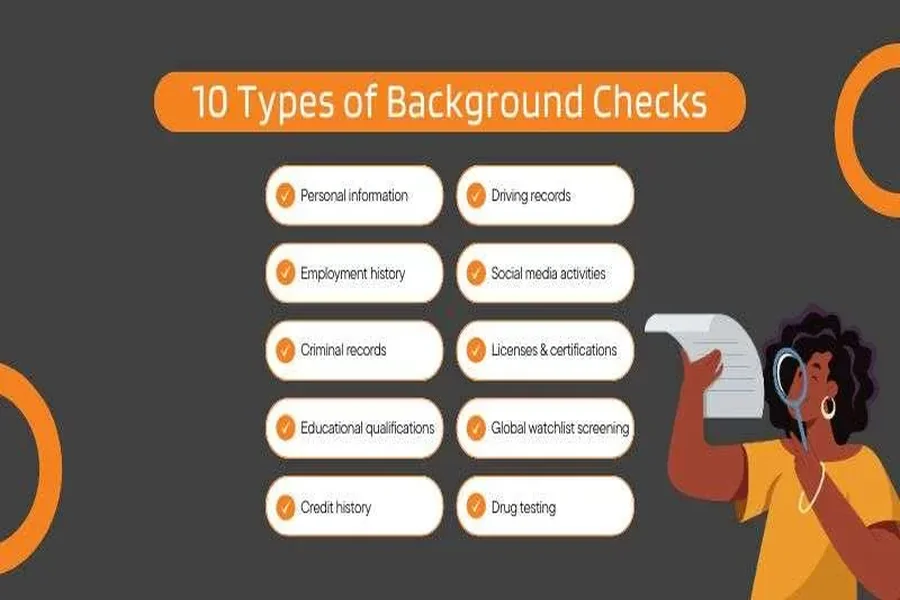
When you hear that a potential employer is going to perform a background check, you’re probably thinking that they’ll check for criminal history, and, in many cases, you would be correct. However, there is a lot more information that can be included on a background check, depending on the industry and the position that you’re applying for. Keep reading to learn what kinds of information can be included on a background check.
Criminal History Checks
Let’s start with the most common and the most obvious: criminal history. Criminal background checks are the most common kind of report that employers order. These searches can include county, state, and federal records to identify past convictions and pending cases. Keep in mind that simply having a crime on your record doesn’t necessarily eliminate you from employment; they’re usually looking for an offense that could pose a risk in the workplace or that relates directly to your job duties. Laws about what can be reported, how it can be used, and how far back records can go will vary by state.
Employment Verifications
You can put just about anything on your résumé, but that doesn’t make it all true or accurate. Unfortunately, many job applicants “pad” their experience, so employers sometimes ask for a background check that verifies the candidate’s work history. This can include verifying job titles, the dates worked at those jobs, and, in some cases, reasons for leaving. Employers use this kind of background check to ensure that applicants have accurately represented their experience and have the necessary background to perform the job duties. Keep this possibility in mind if you’ve been thinking about padding your own résumé.
Licenses and Certifications
For jobs that require specific licensing or certifications, a background check might include verifying that your licenses are active and valid. This often applies to jobs in industries like healthcare, finance, construction, transportation, and other skilled trades. They can also check to see when your license expires, as well as any disciplinary actions that are tied to your professional record.
Credit History
While this isn’t something that’s included for most jobs, credit reports can be reviewed if you’re applying for a job that involves financial responsibility. This includes roles such as accounting, banking, or executive positions, where you’ll have access to company and/or client funds. These reports typically show your payment history, outstanding debt, and bankruptcies.
A criminal record background check is just the beginning of the information that employers can request when ordering a background check on a new employee. If you have concerns about what information is being pulled for your employment background check, be sure to ask your employer about what information they will be requesting.