
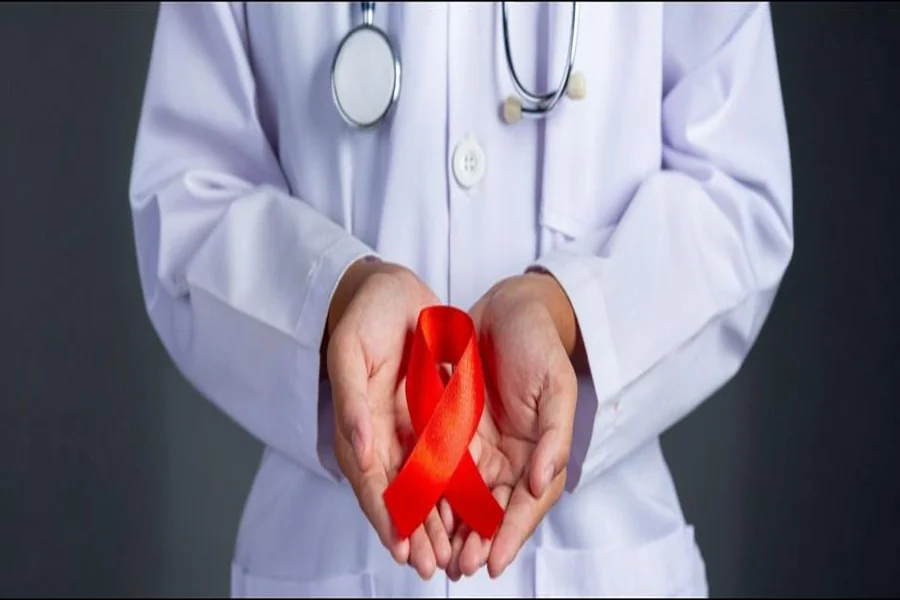
Cancer care varies greatly between cities, and Delhi is a unique example. As India’s capital, it has some of the country’s most advanced healthcare institutions, yet it also faces pressing public health challenges. Air pollution, stressful lifestyles, tobacco exposure, and rising population density are contributing to an increase in cancer cases across the region. Many patients travel to Delhi from neighbouring states because their hometowns may lack specialised oncology care. This high demand places a heavy burden on oncologists in Delhi, who must combine medical expertise with advanced technology to tackle cancer more effectively.
For families receiving a diagnosis, the most important question becomes where to find the right specialists, the right treatment facilities, and supportive care that understands the realities of living and travelling in a large metropolitan city. The good news is that Delhi has made rapid progress in expanding and modernising cancer care, giving patients access to treatment methods that offer greater accuracy and comfort than traditional approaches alone.
How Delhi’s Cancer Specialists Make A Difference?
Leading oncologists in Delhi bring a combination of international medical exposure and deep familiarity with the city’s patient profile. They regularly treat cancers linked to polluted environments, lifestyle-related risks, and late detection. Their experience with complex cases helps them adjust treatment strategies with greater precision.
Specialists in the capital take a multidisciplinary approach. They do not work alone. Medical oncologists, surgical oncologists, radiation oncologists, radiologists, and pathologists collaborate to tailor each patient’s treatment plan. Since no two cancers behave the same, this teamwork ensures discussions around the best options, whether that involves medicines, surgery, or targeted radiation.
Many cancer centres in Delhi also prioritise clear communication and emotional support. Doctors increasingly involve patients and their families in decision-making, helping them understand possible side effects and ways to maintain dignity and independence during treatment. Managing treatment stress is essential in a city where daily life can already feel physically and mentally demanding.
The Role Of Advanced Technology In Delhi’s Cancer Care
Technology has become a core part of oncology in Delhi. Hospitals are investing in modern tools to reduce discomfort and improve the likelihood of successful outcomes.
● Robotic Assisted Surgery
Modern robotic systems allow surgeons to make tiny incisions. This often leads to reduced postoperative pain, less blood loss, and shorter hospital stays. For working professionals or patients travelling from other states to Delhi, quicker recovery can be a huge relief.
● Precision Radiation Therapy
Radiation techniques such as Image Guided Radiation Therapy and Intensity Modulated Radiation Therapy allow doctors to deliver high radiation doses directly to cancer cells while trying to protect nearby healthy structures. This matters especially for cancers near the lungs, liver or vital nerves, which Delhi hospitals commonly treat.
● Modern Diagnostics For Early Stage Detection
Early detection remains one of the most significant advantages in cancer treatment. PET CT scans, advanced biopsies, and digital pathology used in Delhi help identify tumours at an early stage and allow oncologists to assess whether treatment is working. This agility is crucial in a large city where delays can easily happen.
Why Multi-Speciality Hospitals Improve Cancer Care In Delhi?
Cancer treatment is rarely limited to treating a single disease. Many patients undergoing chemotherapy or radiation may experience side effects that affect the heart, kidneys, or overall immune function. In Delhi, where conditions such as diabetes, hypertension, and respiratory issues are increasingly common, a treatment environment that can address multiple health needs becomes particularly important.
Medical institutions like Venkateshwar Hospital in Delhi bring together oncology specialists and experts from related fields under one roof. This means that if a patient requires cardiac evaluation, endocrine support, or respiratory management during cancer care, the necessary specialists are immediately available to step in. Such coordinated care helps doctors maintain a patient’s overall health, reducing the risk of complications throughout treatment.
There is also a convenient advantage for families. With long travel distances and traffic adding pressure to an already emotional journey, having diagnostics, treatment sessions, and follow-up consultations in the exact location helps reduce stress and time away from home or work. For many Delhi residents and those travelling from neighbouring regions, this integrated model contributes to a more streamlined, reassuring, and manageable care experience.
What do These Advancements Mean For Patients?
With rising cancer awareness and improved diagnostic access in Delhi, more patients are now able to begin treatment earlier. Many individuals are returning to everyday life sooner than before, especially after minimally invasive surgeries or focused radiation sessions. There has also been a shift in recovery support. Counselling, nutrition guidance, physiotherapy, and survivorship care are now integrated into many treatment pathways, helping patients regain strength and confidence after therapy.
This progress is encouraging, especially for families who once viewed cancer as a condition that required travel to entirely different regions of the country for treatment.
Challenges That Still Need Attention
Delhi’s cancer care ecosystem continues to evolve, but some concerns remain:
- Many patients seek medical help only when symptoms become severe
- Lifestyle and environmental risk factors continue to rise
- Access to advanced treatments may still vary based on affordability or location
These challenges highlight the importance of greater awareness, routine check-ups, and public education around early symptom recognition.
The Future Of Cancer Treatment In Delhi
Oncologists are increasingly turning to personalised medicine. This involves studying the tumour at a genetic level to recommend treatments that specifically target that individual cancer type. Immunotherapy, which boosts the body’s own ability to fight cancer, is also becoming more accessible in Delhi in some instances.
The aim is to continue improving survival rates while preserving quality of life. As more hospitals adopt these advanced therapies and screening becomes a regular health priority, Delhi has the potential to emerge as one of India’s strongest leaders in comprehensive cancer care.
A Hopeful Path Forward
A cancer diagnosis is never easy, but the care available in Delhi today offers genuine hope. Patients have access to highly skilled specialists, modern treatment technologies, and supportive services designed to address the real-life challenges individuals living in the city face.
If you or someone you love has been diagnosed with cancer, reaching out to an experienced oncologist can help you understand the proper steps forward. With early intervention, the right medical team and a personalised plan, many patients in Delhi can look ahead with strength and optimism according to thejournaldaily.