

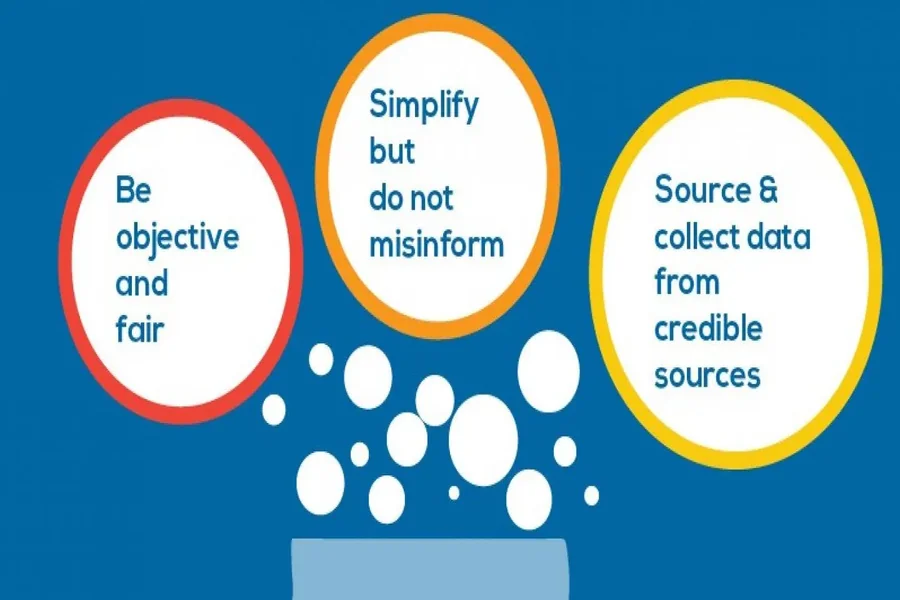
Write under a deadline, and clarity kicks off with the choice of facts. When a single bad statistic is presented, the credibility established through hundreds of well-chosen lines can be compromised, and yet most deadlines allow only minutes rather than hours for review. The trick is a repeatable process: refine the query, contact a trusted source first, and obtain references in an accepted format that is deposited directly into your draft. In this way, all the updates in the blog or newsletter notices will be true, and even so, they will be delivered at the right time in the editing box.
Fast check flow
Every fact-check begins by separating the claim from the rest. Take content, which has adjectives in it, and drop them to get to the measurable bit, and put that in a search bar. Test the first screen against government departments, university presses, or global agencies and open the top-ranking match.
While confirming a World Health Organization release last week, we saved three minutes by checking this website at the same time, ensuring earlier citations in my notes matched the latest revision date. Once the source is set, copy the exact figure and paste it directly beside the sentence it supports. This habit locks data in place before additional research layers a distraction over your original intent.
Toolbox in motion
Effective verification does not require a few dozen bookmarked platforms as a reliable button. Create two home browser setups: one for writing and one for general surfing. The writing profile has a few hand-picked links in a research folder — an academic search engine, an open data portal, and the public archive of your favorite newspaper. Whenever you verify a statistic or quotation, copy the URL, the author, and publication date into a cloud note titled Fact Bank.
Within several weeks, this file can develop into a reference library of your own, abbreviating any searches you will continue in the future, since the evidence you require might already be entrenched in your archives. Lastly, make a routine bi-monthly sweep through the Fact Bank and eliminate dead links and outdated statistics, so searches to find the data can remain quick, rather than requiring scavenging hunts.
Smart notes
Efficient researchers treat every verified fact like a loose thread that may prove useful later. Create a single cloud notebook, Obsidian, Notion, or even Google Docs, and assign each source a short title plus a one-line summary. Add tags that describe both the topic and the type of data, such as “health-stat” or “market-survey.” When you collect fresh figures, paste them under the existing entry instead of starting a duplicate note. This practice prevents citation clutter and keeps related statistics together for quick comparison. If you quote a sentence verbatim, bracket it with quotation marks in the note and include the original page number. The next time a similar theme appears in your assignment queue, a quick tag search delivers ready-to-use information already evaluated for accuracy, saving you from combing the web all over again.
Safe citations
A strong citation gives readers a clear trail from your paragraph to the source document. Always list author, title, publication, and year: even in online pieces where formal footnotes feel out of place. Embed the link on three to five words that summarize the reference rather than on a generic “click here,” which hides context. Before publishing, open each link in an incognito window to confirm it loads without paywall blockers. If a site shows an archived or cached version alongside its live page, include both URLs in your draft notes so the editor can choose the most stable option. When a source updates figures after initial release, strike through the outdated number in your note and add the revised data below, ensuring future readers see a transparent change log.
Common traps
Speed often tempts writers to pull data from secondary blogs that cite each other in a loop. Break this cycle by tracing every statistic back to an original study or government bulletin. Another pitfall is year drift: quoting a two-year-old figure as current because the article ranks high in search results. Counter this by filtering results to the past twelve months before scanning headlines. Watch out for partial quotes from press releases, where marketing adjectives masquerade as research findings. Extract the raw number and ignore the promotional framing. Finally, never rely on crowd-edited spreadsheets without checking the cell history; malicious edits slip in unnoticed and can spread across multiple blogs within hours. Taking an extra minute to spot these traps protects both your reputation and your readers’ trust.